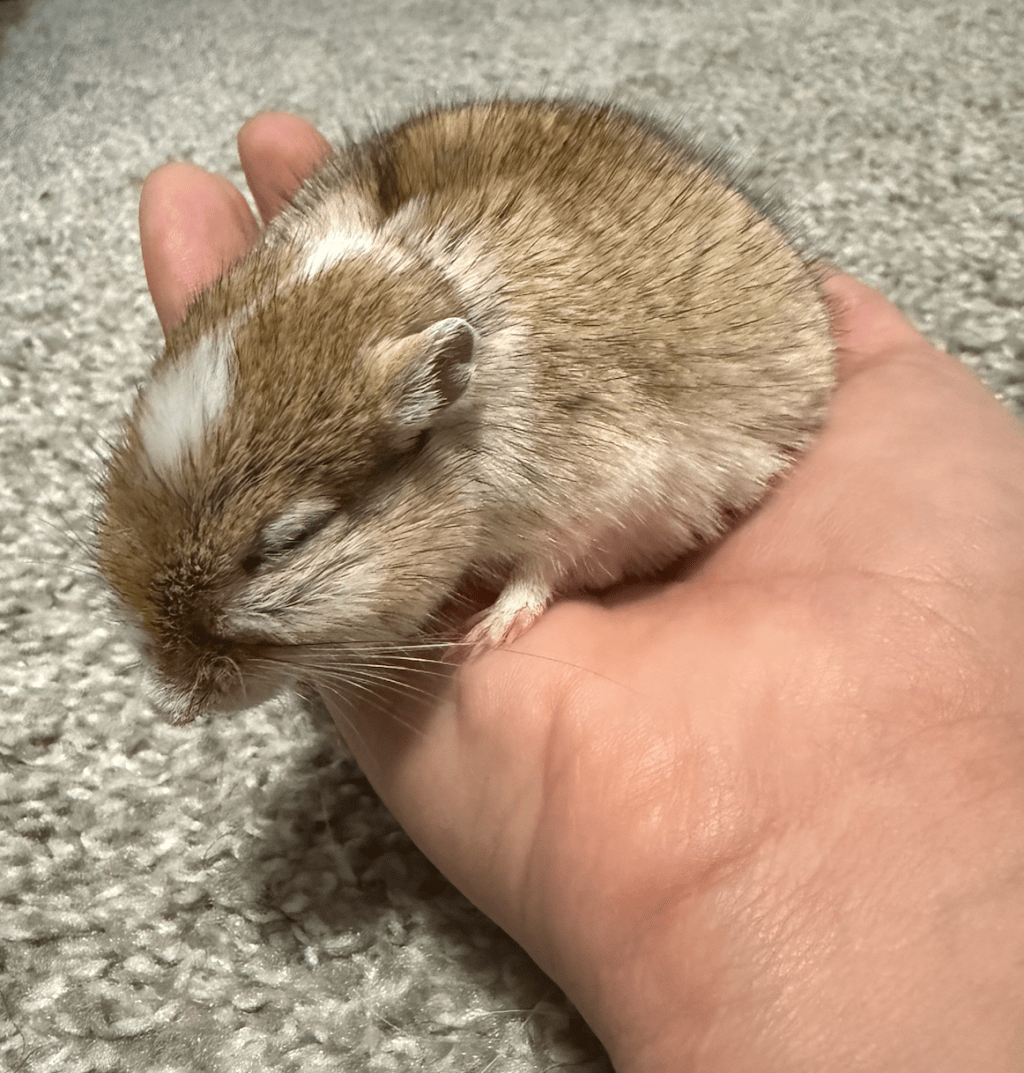
Gerbils are fascinating and active little rodents, often kept as pets due to their playful nature and relatively low maintenance. Understanding their anatomy and common health issues can help you ensure a long and happy life for your furry friend. We recently lost one of our little ones to a tumor… that is why it is extremely important to constantly monitor your gerbil’s behavior for unusual fluctuations.
Gerbil Anatomy: A Look Inside
Gerbils have unique physical characteristics that make them well-suited to their desert origins. Below are some key anatomical features:
Body Structure
- Size & Weight: Gerbils typically grow to about 4 inches (10 cm) in body length, with an additional 4 inches for their tail. Their weight ranges between 2-4 ounces (56-113 grams).
- Tail: Unlike hamsters, gerbils have long tails covered in fur, ending in a tuft. This helps with balance and thermoregulation.
- Legs & Feet: They have powerful hind legs, allowing them to jump and burrow efficiently.
- Ears & Nose: Their ears are small and rounded, helping to reduce heat loss, and their nose is highly sensitive, assisting with detecting scents in their environment.
Internal Systems
- Teeth: Gerbils have ever-growing incisors that require constant gnawing to prevent overgrowth.
- Digestive System: As omnivores, gerbils have a simple digestive tract, requiring a balanced diet rich in grains, seeds, and occasional proteins.
- Respiratory System: Their lungs are sensitive to dust, making proper ventilation and bedding choice essential.
Sensory Abilities
- Eyesight: While not their strongest sense, gerbils can detect movement well and rely on their whiskers for navigating in the dark.
- Hearing: Gerbils have excellent hearing, detecting high-frequency sounds that humans cannot perceive.
- Touch: Their whiskers provide essential tactile information, helping them move safely in tunnels and burrows.
Common Health Issues in Gerbils and How to Handle Them
Like all pets, gerbils are prone to specific health problems. Recognizing early symptoms and addressing them promptly can significantly improve their quality of life.
1. Dental Problems
Symptoms: Overgrown teeth, difficulty eating, weight loss, excessive drooling.
Causes: Lack of appropriate chew toys or a diet lacking in fibrous materials.
Prevention/Treatment: Provide wooden chew toys, a balanced diet, and regular check-ups to monitor tooth growth.
2. Respiratory Infections
Symptoms: Sneezing, wheezing, labored breathing, nasal discharge.
Causes: Dusty bedding, poor ventilation, exposure to cold temperatures, or bacterial infections.
Prevention/Treatment: Use dust-free bedding (such as paper-based bedding), keep their enclosure clean and dry, and seek veterinary treatment if symptoms persist.
3. Tumors and Growths
Symptoms: Lumps or masses on the body, weight loss, lethargy.
Causes: Gerbils, especially older ones, are prone to developing tumors, particularly in scent glands (located on their bellies).
Prevention/Treatment: Regularly inspect your gerbil’s body for lumps and consult a vet for surgical options if necessary.
4. Seizures
Symptoms: Twitching, shaking, sudden lack of movement, or unresponsiveness.
Causes: Genetic predisposition, stress, sudden environmental changes.
Prevention/Treatment: Minimize stress by handling your gerbil gently and providing a stable environment. Most mild seizures resolve on their own, but consult a vet if they become frequent.
5. Tail Injuries
Symptoms: Broken or missing tail, exposed bone.
Causes: Rough handling, getting caught in objects.
Prevention/Treatment: Always handle gerbils gently, avoiding their tails. If an injury occurs, the affected part may naturally fall off and heal, but ensure a clean environment to prevent infection.
Keeping Your Gerbil Healthy: Essential Care Tips
- Proper Diet: Offer a mix of gerbil-specific pellets, fresh vegetables, occasional protein sources (such as mealworms), and plenty of fresh water.
- Bedding Choice: Avoid cedar or pine shavings, which can cause respiratory issues. Use aspen or paper-based bedding instead.
- Clean Environment: Spot-clean daily and do a full cage cleaning weekly to prevent bacterial growth.
- Regular Handling: Gentle interaction helps build trust and reduces stress, which can contribute to better overall health.
- Vet Checkups: Annual veterinary visits can help detect issues early and ensure proper care.
By understanding gerbil anatomy and being aware of common health concerns, you can provide the best possible care for your small pet. A happy and healthy gerbil is a joy to watch, play with, and care for!
Sources:
- Louisiana Veterinary Medical Association: Biology of the Gerbil
- Lafeber Vet: Basic Information for Gerbils
- TheGerbils.com: Gerbil Biology

 Gerbellious Nation
Leave a comment