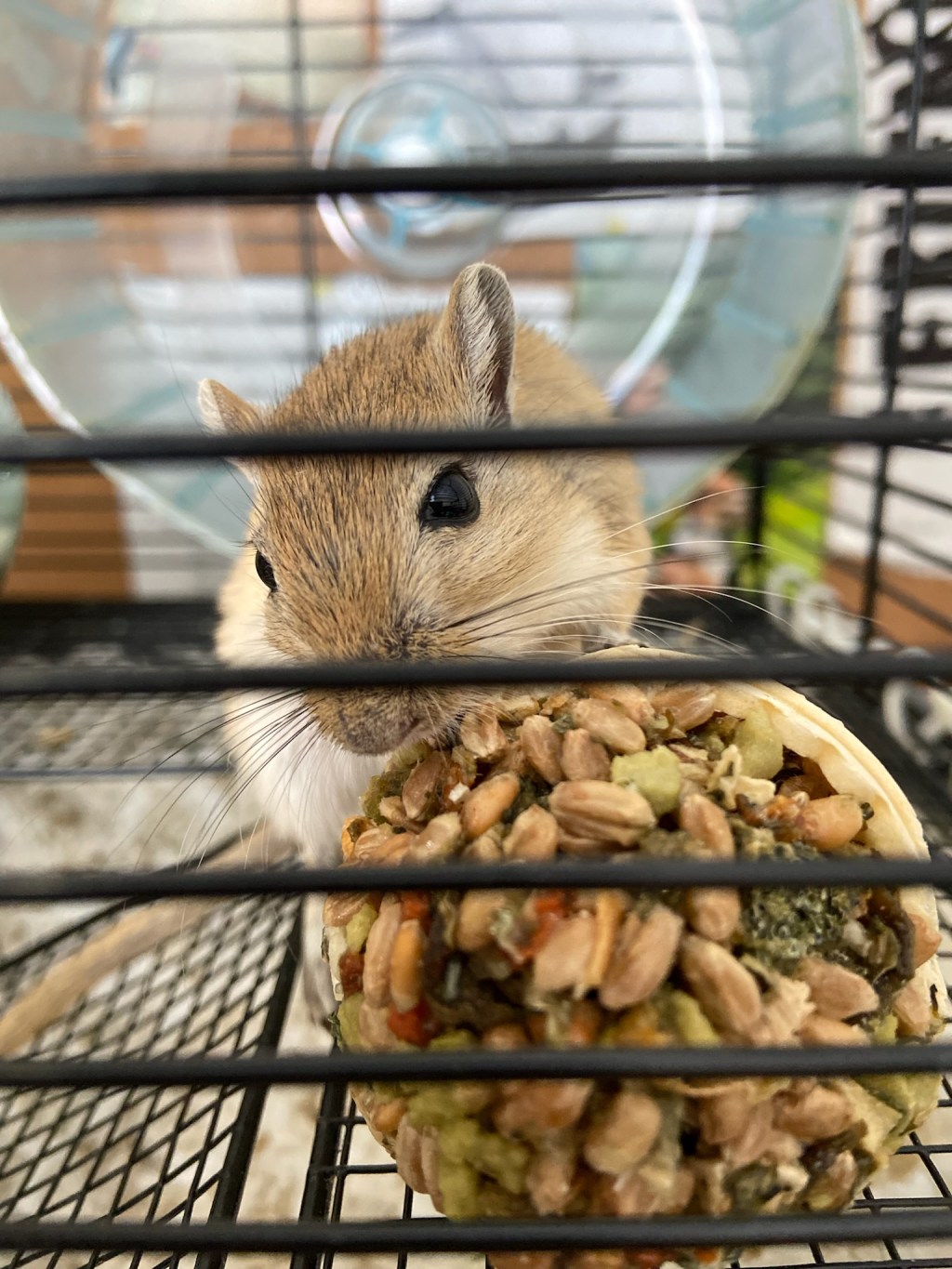
Bonding with your gerbil is a rewarding experience that takes patience, consistency, and a gentle approach. Gerbils are naturally curious but can be skittish, especially in new environments. By understanding their behavior and using positive reinforcement, you can build a trusting and affectionate relationship with your furry friend. In this guide, we’ll explore effective strategies to help you bond with your gerbil and make them feel safe and comfortable in your presence.
Understanding Your Gerbil’s Behavior
Before you begin bonding, it’s important to understand how gerbils communicate and what behaviors indicate trust or stress.
Signs Your Gerbil is Comfortable:
- Approaches you without hesitation
- Takes food from your hand
- Grooms itself while near you
- Plays and explores its environment
- Allows handling without showing signs of fear
Signs of Stress or Fear:
- Hiding frequently or freezing in place
- Excessive thumping of hind legs (a warning signal)
- Biting or nipping when approached
- Running away or frantically digging
By observing your gerbil’s behavior, you’ll be able to gauge their comfort level and adjust your approach accordingly.
Step 1: Let Your Gerbil Settle In
If you’ve just brought your gerbil home, give them time to adjust to their new environment before attempting to interact too much. Allow at least a few days for them to explore their habitat and become familiar with their surroundings.
How to Help Your Gerbil Adjust:
- Keep their cage in a quiet, low-traffic area to minimize stress.
- Speak softly and gently near their enclosure so they get used to your voice.
- Avoid sudden movements or loud noises that could startle them.
- Provide hides and tunnels where they can feel secure while they explore.
Step 2: Spend Time Near Their Enclosure
To build trust, start by spending time near their cage without directly interacting with them. Sit close by, read a book, or talk to them in a calm voice. This allows your gerbil to become familiar with your presence without feeling threatened.
Tips for Familiarizing Your Gerbil With You:
- Avoid reaching into the enclosure too soon.
- Let them come up to investigate on their own terms.
- Offer treats through the bars to associate your presence with positive experiences.
- Be patient—some gerbils take longer to warm up than others.
Step 3: Hand-Feeding Treats
Once your gerbil seems comfortable with your presence, you can begin hand-feeding small treats to encourage trust. Treats like unsalted sunflower seeds, pumpkin seeds, or pieces of fresh vegetables work well.
How to Offer Treats Effectively:
- Hold the treat between your fingers and place your hand inside the enclosure, keeping it still.
- Let your gerbil come to you rather than chasing them.
- Be patient—some gerbils will take treats right away, while others may need more time.
- Gradually move your hand closer each day as they grow more comfortable.
Step 4: Encouraging Gentle Interaction
Once your gerbil is willingly taking treats from your hand, you can start introducing gentle interaction. Avoid grabbing your gerbil at this stage—let them climb onto your hand voluntarily.
How to Encourage Physical Contact:
- Place your open palm flat inside the enclosure.
- Offer a treat while keeping your hand still.
- Allow them to sniff and explore at their own pace.
- Once comfortable, they may begin climbing onto your hand.
- Reward every small step with gentle praise and treats.
Step 5: Handling Your Gerbil Safely
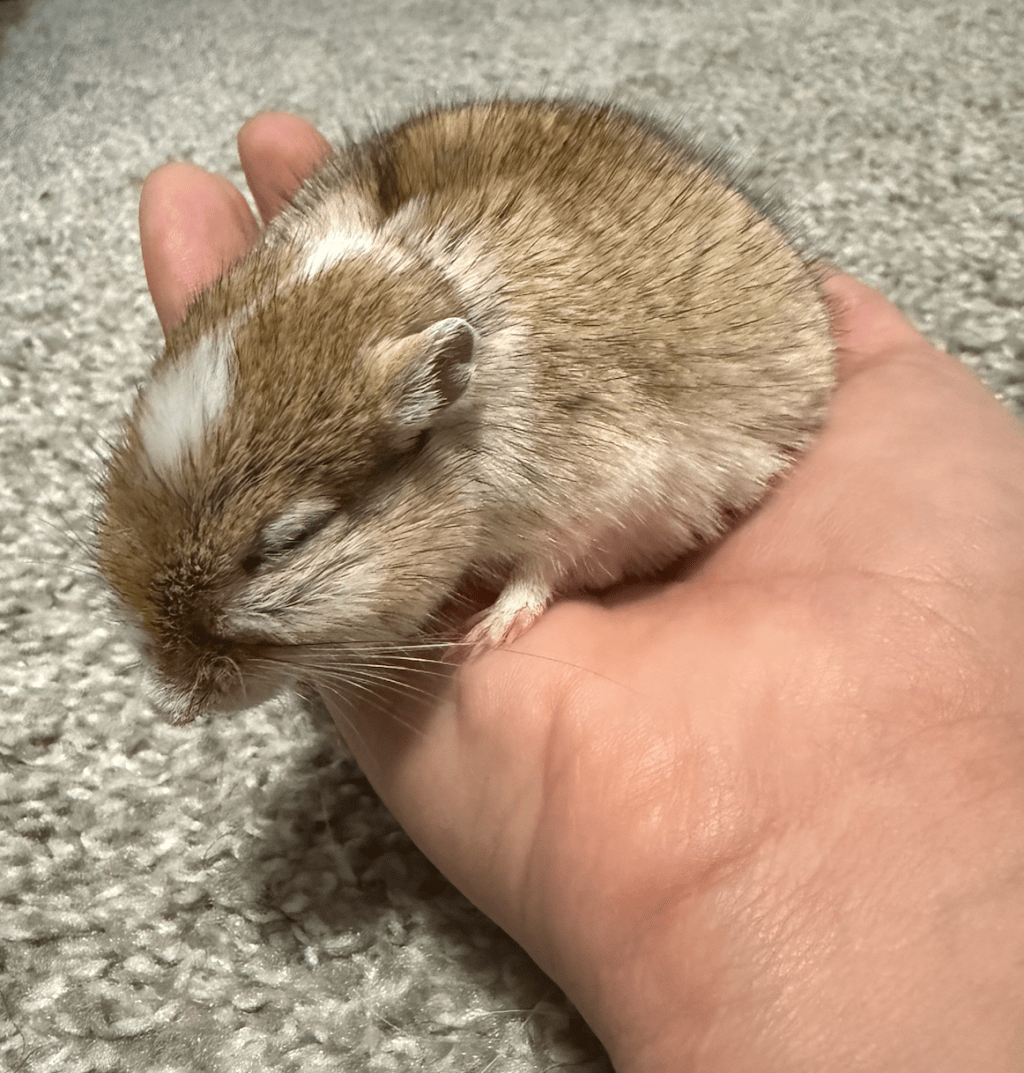
Once your gerbil feels comfortable climbing onto your hand, you can start lifting them gently. Handling should always be done with care to ensure they feel secure.
Best Handling Techniques:
- Scoop, don’t grab – Use both hands to gently lift your gerbil.
- Support their body – Keep one hand under them for stability.
- Keep movements slow and controlled to avoid startling them.
- Hold them close to your lap or a soft surface in case they jump.
- Keep handling sessions short at first to prevent stress.
Step 6: Creating a Play Bond
Once your gerbil trusts you, you can start engaging in interactive play sessions outside their enclosure. This is a great way to strengthen your bond while providing enrichment.
Fun Playtime Activities:
- Tunnel Exploration – Set up cardboard tubes and let them run through.
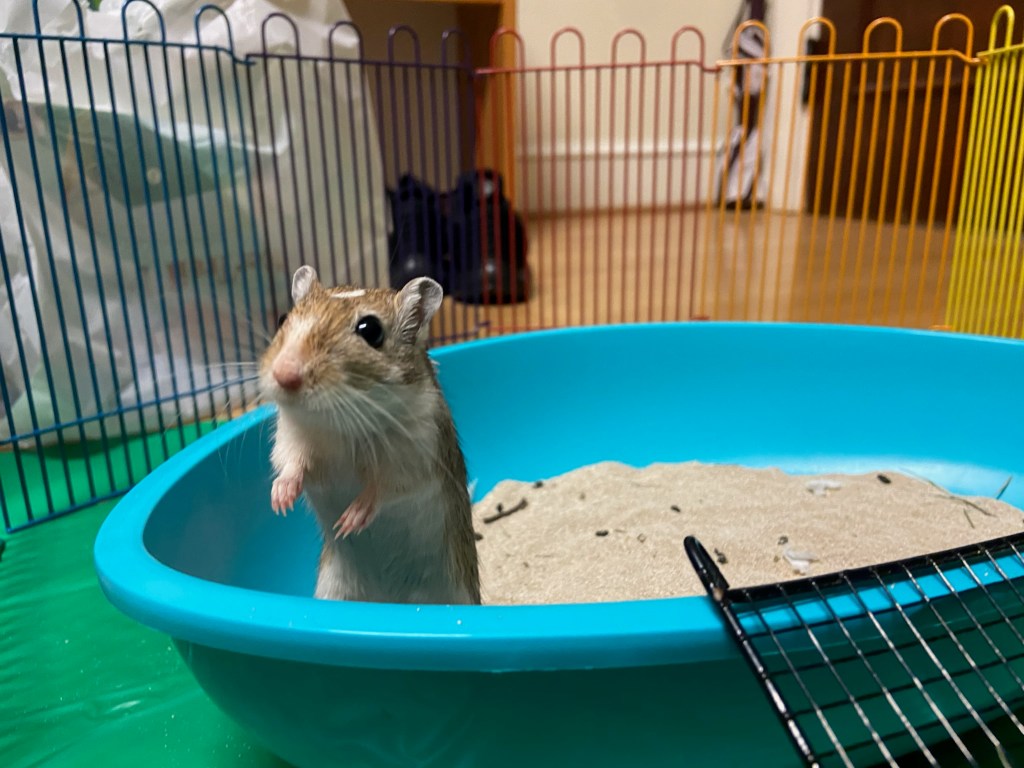
- Sandbox Digging – Provide a shallow dish of chinchilla sand for burrowing fun.
- Obstacle Course – Use small wooden blocks or toilet paper rolls for climbing challenges.
- Hand Play – Let them climb onto your hand and explore your arm.
Troubleshooting: What to Do If Your Gerbil is Still Nervous
If your gerbil is taking longer to bond with you, don’t get discouraged. Some gerbils are naturally more timid than others. Here are some troubleshooting tips:
Common Issues & Solutions:
- Gerbil Runs Away When Approached: Move slower and spend more time sitting near their enclosure before attempting to interact.
- Gerbil Refuses Treats: Try different treats, such as millet or oats, and ensure they are hungry enough to be interested.
- Gerbil Bites When Handled: Make sure your hands are clean (no strong smells like soap or food) and avoid handling them when they seem agitated.
- Gerbil Thumps Their Feet Often: This is a warning sign—they may be feeling scared or stressed. Give them more space and try again later.
Final Thoughts
Building a bond with your gerbil takes time, patience, and consistency. Every gerbil has its own personality—some will warm up quickly, while others may take longer to trust. By using positive reinforcement, gentle handling, and interactive play, you’ll develop a strong and rewarding companionship with your furry friend.
The key is to move at your gerbil’s pace and never force interaction. With dedication and love, your gerbil will eventually see you as a source of comfort and security, strengthening the bond between you both for years to come!
 Gerbellious Nation
Leave a comment