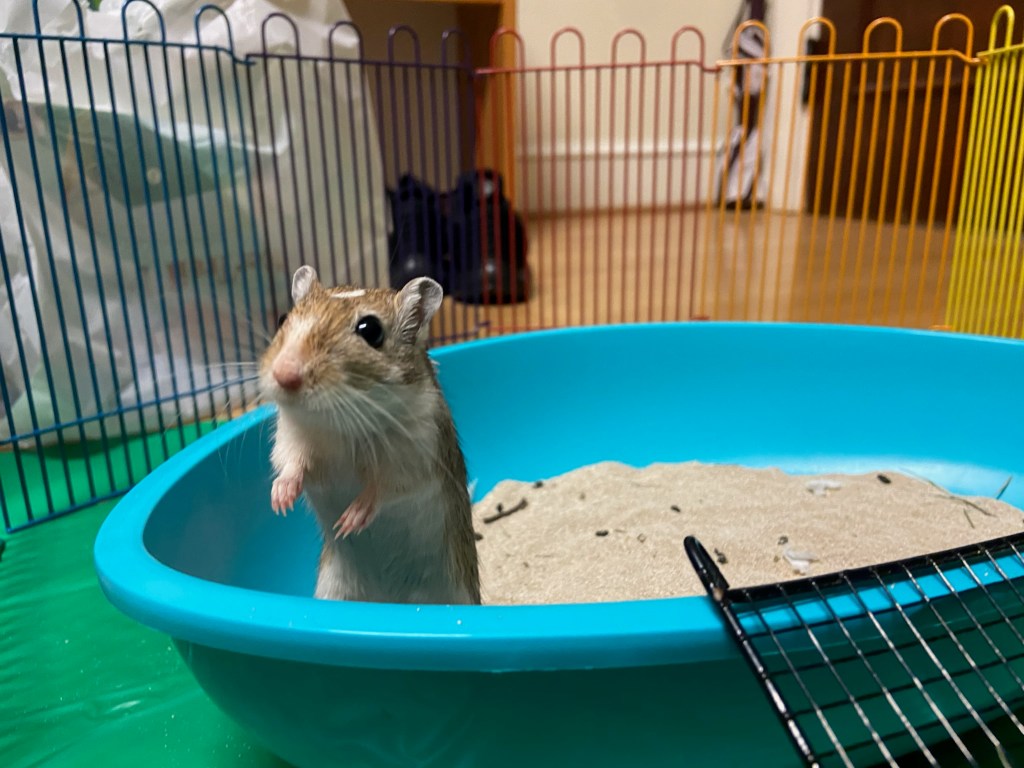
Gerbils are naturally curious and quick, making them skilled escape artists. Whether they’ve slipped through a loose cage door, climbed out of an enclosure, or managed to sneak past during handling, an escaped gerbil can be stressful to recover. However, staying calm and following a structured approach will help you safely bring your furry friend back home. Here’s a detailed step-by-step guide to finding and recapturing your gerbil as quickly and safely as possible.
Step 1: Stay Calm and Assess the Situation
The first thing to do when you realize your gerbil is missing is stay calm. Gerbils are small, fast-moving creatures, but they typically don’t venture too far from where they escaped.
Questions to Ask:
- When was the last time you saw your gerbil?
- Was the cage door left open or knocked over?
- Are there any gaps, holes, or furniture they may have hidden in?
- Did anyone in the household see them running in a certain direction?
Taking a moment to assess the situation will help you focus on your search efforts effectively.
Step 2: Secure the Room
Before starting your search, you’ll want to gerbil-proof the area to ensure they don’t escape further or get injured.
What to Do:
- Close all doors and windows to prevent further escape.
- Block off small gaps or openings (like under doors, appliances, or furniture) using towels, books, or temporary barriers.
- Warn household members to be careful when moving around to avoid accidentally stepping on them.
- Keep other pets away (such as cats or dogs) until your gerbil is safely returned to its enclosure.
Step 3: Start Searching in Likely Hiding Spots
Gerbils prefer warm, dark, and enclosed spaces when they are scared, so they’ll often hide rather than roam openly.
Common Hiding Places:
- Under furniture (sofas, beds, dressers)
- Inside closets or cupboards
- Behind appliances (fridges, washing machines, stoves)
- Inside bags, shoes, or boxes
- Under piles of clothes, blankets, or pillows
Use a flashlight to check dark corners, and listen closely for scratching or rustling sounds.
Step 4: Set Up Traps and Lures
If you don’t spot your gerbil right away, you can set up a gentle trap using food and a familiar scent to lure them out.
Effective Traps and Lures:
- The Bucket Trap: Place a small container (like a box or bucket) with a soft towel at the bottom. Create a ramp using a book or cardboard leading up to the edge, and place treats inside the bucket. Your gerbil will climb in and be unable to climb out easily.
- Food Trail: Sprinkle small treats (like sunflower seeds, oats, or millet) leading toward their cage to encourage them to return.
- Warm Nesting Spot: Place their favorite bedding or hideout from their cage in an open area, as they may be drawn to a familiar scent.
- Gerbil-Friendly Sounds: Play soft, familiar sounds (such as talking near their cage or rustling bedding) to encourage them to come out.
Step 5: Be Patient and Avoid Chasing
Gerbils can be skittish, and chasing them may make them retreat further into hiding.
What to Do Instead:
- Sit quietly near the area where you suspect they may be hiding.
- Wait for them to come out on their own instead of forcing them out.
- Move slowly and avoid sudden movements when approaching.
- Use gentle coaxing rather than reaching for them directly.
Step 6: Safely Capture Your Gerbil
Once you’ve located your gerbil, it’s important to capture them without causing stress.
Safe Capture Methods:
- Use a Treat as Bait: Offer a treat in your open palm and let them climb onto your hand.
- Use a Cup or Small Box: Gently guide them into a container with a treat inside, then slowly cover it with your hand or a lid.
- Scoop with Both Hands: If they are calm, use two hands to scoop them up carefully and return them to their enclosure.
Step 7: Prevent Future Escapes
Once your gerbil is safely back in their habitat, take preventative measures to avoid another escape.
How to Prevent Escapes:
- Check enclosure security – Ensure cage doors, lids, and walls are properly secured.
- Upgrade to a more secure habitat – If your gerbil has escaped multiple times, consider a glass tank with a secure mesh lid rather than a wire cage.
- Be mindful during handling – Always handle gerbils in a controlled area, such as a playpen or a closed-off room.
- Supervise free-roaming playtime – If you allow your gerbil out for exercise, always monitor them closely and ensure they can’t squeeze into dangerous spaces.
What to Do If You Still Can’t Find Your Gerbil
If your gerbil remains missing for more than 24 hours, don’t panic—gerbils can survive without food for a short period but will need water. Continue setting up traps, and check at night when they are more active.
Extra Search Tips:
- Look inside and under everything—even unlikely places.
- Check inside walls or under floorboards if there are gaps they could squeeze into.
- Leave a shallow dish of water near food trails.
- Stay up late—gerbils are nocturnal and may come out when the house is quiet.
Final Thoughts
Recovering an escaped gerbil can take time, but with patience and careful planning, you’ll likely find them safe and sound. The key is to remain calm, search thoroughly, and use effective trapping techniques. Once found, take extra precautions to prevent future escapes so your gerbil remains safe and secure in their home.
By following these steps, you’ll be well-prepared to handle an escape and ensure your gerbil stays happy and healthy in their enclosure!
 Gerbellious Nation
Leave a comment